
maria casino free spins – missa inte dessa kampanjer 2026
maria casino free spins är ett område där många spelare känner sig osäkra, inte minst på grund av alla tekniska termer. Omsättningskrav, maxinsats och spelbidrag är bara några av begreppen som kan förvirra. Den här texten reder ut begreppen och ger dig konkreta tips. Framför allt är det viktigt att förstå hur maria casino free spins välkomst påverkar värdet av en bonus innan du gör ett val.
See also:
- maria casino free spins välkomst: En översikt
- Bonusar & Kampanjvillkor i Korthet
- Skärmbilder från maria casinos kampanjsida
- maria casino free spins villkor: Så gör du för att få bonusen
- maria casino free spins villkor – vad du behöver veta innan du börjar
- maria casino Bonusfakta
- Vad innebär maria casino free spins 2023 för dig som spelare?
- Ansvarsfullt spelande hos maria casino
maria casino free spins välkomst: En översikt
fair play is a principle that extends far beyond the boundaries of a playing field, encompassing the ethical framework that governs human interaction in competitive and collaborative contexts alike. At its core, fair play demands that all participants adhere to a mutually agreed-upon set of rules, not merely in letter but in spirit, ensuring that no individual or team gains an undue advantage through deception, exploitation of loopholes, or deliberate violation of norms. This concept is deeply rooted in the history of organized sports, where early codifications of games like cricket, football, and rugby sought to standardize conduct and prevent disputes, but its relevance has since expanded into business, politics, education, and everyday social exchanges. In a sporting context, fair play manifests in tangible behaviors: a soccer player voluntarily returning the ball to the opposition after an injury stoppage, a tennis player conceding a point when a line call is questionable, or a cyclist waiting for a rival who has suffered a mechanical failure. These actions, though they may cost a competitor a momentary advantage, reinforce the integrity of the competition and build trust among participants, spectators, and governing bodies. The philosophical underpinnings of fair play draw from classical virtue ethics, particularly the Aristotelian notion of justice as giving each person their due, and from modern theories of impartiality, such as John Rawls’s concept of the veil of ignorance, where rules are designed without knowledge of one’s own position in the game. Moreover, fair play is not a passive acceptance of rules but an active commitment to sportsmanship, which includes respecting opponents, officials, and the environment, as well as maintaining grace in victory and defeat. In professional sports, where financial stakes and national pride are high, fair play often faces severe pressures, leading to controversies like doping scandals, match-fixing, and deliberate time-wasting, which highlight the fragility of ethical standards without robust enforcement and cultural reinforcement. Educational institutions have long recognized the formative power of fair play, integrating it into physical education curricula to teach children about empathy, accountability, and the value of playing by the rules, which translates into broader life skills such as negotiation, teamwork, and conflict resolution. In the corporate world, fair play is synonymous with ethical business practices, including transparent accounting, honest advertising, and equitable treatment of employees and suppliers, as exemplified by companies that voluntarily adopt fair trade certifications or publish sustainability reports. Political arenas also invoke fair play when candidates agree to debate formats, campaign finance restrictions, or recount procedures, though the ideal often clashes with partisan interests, necessitating independent oversight and judicial review to preserve legitimacy. The digital age has introduced new frontiers for fair play, such as online gaming where cheaters use aimbots or wallhacks, and social media platforms where algorithms may amplify misinformation, prompting developers to implement anti-cheat systems and content moderation policies that strive for impartiality. Yet, fair play is not without its critics, who argue that in highly competitive environments, strict adherence to rules can disadvantage those who lack resources or who face systemic biases, leading to calls for equity adjustments, such as handicap systems in golf or affirmative action policies in hiring, which aim to level the playing field metaphorically. The concept also intersects with cultural relativism, as different societies may interpret what constitutes fair behavior differently, for instance, in the acceptability of trash-talking in basketball versus the strict decorum expected in sumo wrestling, requiring cross-cultural dialogue to establish universal principles without imposing one group’s norms on another. International bodies like the International Olympic Committee and FIFA have institutionalized fair play through awards, codes of conduct, and sanctions, yet their effectiveness is often questioned when high-profile violations go unpunished or when disciplinary processes themselves are perceived as biased. On a personal level, practicing fair play requires self-regulation, the ability to resist the temptation to cut corners, and the humility to acknowledge one’s own mistakes, which can be cultivated through reflection, mentorship, and exposure to diverse perspectives. Psychological research suggests that individuals are more likely to exhibit fair play when they perceive the rules as legitimate, when they have a sense of belonging to a community, and when they believe that others will reciprocate, indicating that fair play is a social contract that thrives on mutual reinforcement. In team dynamics, fair play fosters cohesion and morale, as players who feel that their efforts are rewarded based on merit rather than favoritism are more motivated and loyal, whereas perceived unfairness can lead to disengagement, sabotage, or even physical altercations. The legal system also embodies fair play through principles like due process, the presumption of innocence, and the right to a fair trial, which ensure that all individuals, regardless of status, are treated according to established laws rather than arbitrary whims, though the implementation of these principles often lags behind their theoretical ideals, particularly for marginalized groups. Economic theories of fair play extend to market regulations, where antitrust laws prevent monopolies from stifling competition, and consumer protection laws require honest labeling, aiming to create a level playing field for both producers and buyers, yet the rise of gig economies and algorithmic pricing poses new challenges to these frameworks. In environmental contexts, fair play is invoked in discussions of climate justice, where developed nations, having historically emitted more greenhouse gases, are called upon to bear a greater burden in mitigation efforts, reflecting a principle of intergenerational fairness that extends beyond immediate competitors to future generations.
speedy bet casino — vinn på sport | speedy bet casino
bäst slots 2026 — bästa slots med multiplikator
Bonusar & Kampanjvillkor i Korthet
- kr250 + 100 gratissnurr
- 75 gratissnurr på första insättningen
- 75% upp till kr300
- 35x omsättningskrav inom 7 dagar
- 35x genomspelning inom 14 dagar
- 40x genomspelning av bonusen
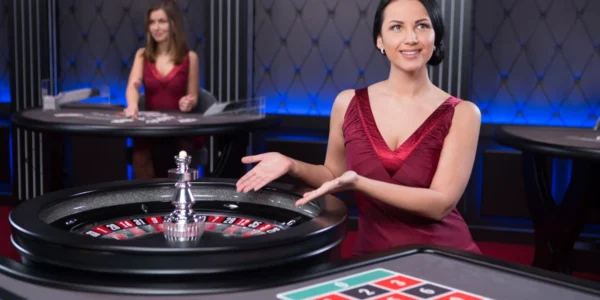
Skärmbilder från maria casinos kampanjsida
maria casino free spins villkor: Så gör du för att få bonusen
maria casino free spins villkor – vad du behöver veta innan du börjar
Ta emot bonus. This Swedish phrase, translating literally to "receive bonus" or "accept bonus," carries a weight that extends far beyond its simple surface meaning. In the context of modern digital commerce, where loyalty programs and promotional incentives have become ubiquitous, the act of receiving a bonus is not merely a transactional event but a psychological and social phenomenon. It represents a moment of validation, a tangible acknowledgment of one’s value as a customer, and a strategic move by companies to foster long-term engagement. To truly understand the depth of this phrase, one must delve into the intricate mechanics of bonus systems, the emotional responses they evoke, and the broader economic implications. Consider, for instance, the journey of a typical consumer named Anna. She has been shopping at her local grocery store for years, and recently, the store launched a digital loyalty app. After her tenth visit, she receives a notification: "Ta emot bonus!" The message appears with a cheerful chime, and a virtual coin icon pulses on her screen. As she taps it, a sense of satisfaction washes over her—not just because she got something for free, but because the bonus feels like a personal thank-you from the store, a recognition of her continued patronage. This moment, though fleeting, strengthens her emotional connection to the brand, making it more likely that she will return. But the bonus is not just a feel-good gesture; it is a calculated business decision. Data analysts at the grocery chain have meticulously designed the bonus to be just attractive enough to encourage repeat visits, but not so generous that it erodes profit margins. They have studied behavioral economics, understanding that the anticipation of a reward can be as powerful as the reward itself. The phrase "Ta emot bonus" thus becomes a trigger point in a sophisticated system of behavioral modification, nudging consumers toward desired actions. Moreover, the concept of receiving a bonus has deep roots in human psychology. From childhood, we are conditioned to respond positively to rewards—gold stars in school, praise from parents, and later, performance bonuses at work. This conditioning carries over into consumer behavior, where the promise of a bonus activates the brain’s reward centers, releasing dopamine and creating a sense of pleasure. In Sweden, a country known for its strong social welfare system and egalitarian values, the idea of a bonus might also carry connotations of fairness and mutual benefit. Unlike in some cultures where bonuses are seen as a form of manipulation, in Sweden, they are often perceived as a genuine gesture of appreciation. This cultural nuance is crucial for businesses operating in the region; a poorly designed bonus could be seen as patronizing, while a well-executed one can build trust and loyalty. Furthermore, the digital transformation of bonuses has introduced new layers of complexity. With the rise of mobile apps, personalized offers, and gamification, the simple act of "receiving a bonus" has become a multi-sensory experience. Push notifications, in-app animations, and progress bars all contribute to the excitement. For example, a coffee shop app might show a progress bar that fills up with each purchase, and when it reaches 100%, the user is prompted to "Ta emot bonus"—a free coffee. The visual representation of progress taps into our innate desire for completion, making the bonus feel like an achievement rather than a handout. This gamification strategy has been proven to increase customer engagement and retention, as it turns mundane transactions into mini-games. However, there is a darker side to this phenomenon. The constant bombardment of bonus offers can lead to decision fatigue, and the pressure to "accept" bonuses may cause consumers to make purchases they otherwise wouldn’t. Critics argue that bonuses can be manipulative, exploiting psychological vulnerabilities. For instance, some apps use countdown timers to create a sense of urgency, urging users to "Ta emot bonus" before it expires. This fear of missing out (FOMO) can override rational decision-making, leading to impulse buying. In Sweden, where consumer protection laws are strict, regulators have begun to scrutinize such practices, requiring transparency and clear terms. Despite these concerns, the popularity of bonuses shows no sign of waning. In fact, the COVID-19 pandemic accelerated the shift toward digital loyalty programs, as physical stores closed and online shopping surged. Retailers who had previously relied on traditional paper coupons quickly adapted, offering digital bonuses that could be redeemed with a simple tap. The phrase "Ta emot bonus" became a daily occurrence for millions of Swedes, appearing in emails, SMS messages, and app notifications. It even entered the lexicon of everyday conversation, with people saying, "I got a bonus from my favorite store today," in the same tone one might mention a pleasant surprise. This linguistic integration is a testament to the phrase’s cultural significance. It is not just a command or an invitation; it is a symbol of the modern consumer experience, a bridge between the digital and the physical, and a reminder that in a world of increasing automation, human touchpoints still matter. Moreover, the concept of a bonus extends beyond commercial transactions. In the workplace, employees eagerly await their annual bonus, which is often tied to performance metrics. The phrase "Ta emot bonus" could be uttered by a manager during a performance review, signifying recognition of hard work. In this context, the bonus is not just a financial reward but a tool for motivation and retention. Studies have shown that employees who feel appreciated are more productive and loyal, and bonuses are a tangible way to show appreciation. However, the effectiveness of bonuses depends on their perceived fairness. If a bonus is seen as arbitrary or disproportionate, it can breed resentment. Therefore, the act of receiving a bonus, whether in a store or in an office, is intertwined with perceptions of justice and equity. In the realm of online gaming, bonuses are a core mechanic. Players are constantly prompted to "Ta emot bonus" as they level up, complete quests, or log in daily. These bonuses can be in the form of virtual currency, items, or exclusive content. The game designers carefully balance these rewards to keep players engaged without making the game too easy. The phrase, in this context, is a call to action that triggers a sense of progression and achievement. It is no wonder that many gamers find these bonuses addictive, as they tap into the same reward pathways as gambling.
razor shark casino — topputrustning | razor shark casino
maria casino bingo — exklusiva bonusar | maria casino
maria casino Bonusfakta
| Feature | Details |
|---|---|
| Bonus | Up to kr250 + 150 spins |
| Big win | 215,000 kr on Buffalo King |
| Last win | R.K. won 387,000 kr |
| Jackpotspel | Progressive slots & nätverk |
| Popular slot | Wolf Gold with big wins |
Vad innebär maria casino free spins 2023 för dig som spelare?
Vad är välkomstbonusen hos maria casino?
maria casino erbjuder en generös välkomstbonus på upp till 500 gratissnurr vid registrering för nya spelare. Bonusen kräver en minsta insättning på kr10 och omfattas av en omsättningskrav på 30x omsättning på bonusen.
Hur aktiverar jag en bonus- eller kampanjkod hos maria casino?
Du hittar din bonus- eller kampanjkod på kampanjsidan eller i ditt konto. Ange koden vid insättningen eller i kassan för att aktivera erbjudandet.
Erbjuder maria casino free spins eller no-deposit-bonusar?
Ja, maria casino erbjuder ibland free spins och no-deposit-bonusar som en del av kampanjer eller för nya spelare. Dessa kan kräva en kod eller automatiskt krediteras efter registrering.
Hur fungerar cashback och lojalitetsprogrammet hos maria casino?
maria casino har ett lojalitetsprogram där du samlar poäng för varje spelomgång, vilka kan konverteras till bonusar eller cashback. Cashback betalas ut regelbundet baserat på dina nettoförluster under en viss period.
online casino blackjack 2026 — hemligheterna bakom blackjack
Vad är omsättningskraven för bonusar hos maria casino?
Omsättningskravet för bonusar är 30x omsättning på bonusen och måste uppfyllas inom en angiven tidsram. Vissa spel bidrar olika mycket till omsättningen, så kolla villkoren för varje erbjudande.
Casinon utan maria casino free spins kan vara mindre attraktiva för spelare.
Ansvarsfullt spelande hos maria casino
Spela ansvarsfullt – maria casino uppmuntrar dig att spela för nöjes skull, aldrig för att vinna tillbaka förluster. Spel är endast för personer som fyllt 18 år. maria casino är licensierat av Spelinspektionen, och du kan när som helst stänga av dig från allt licensierat spel i Sverige via det nationella självavstängningssystemet Spelpaus.se. Sätt upp tydliga gränser för tid och pengar innan du börjar spela. Behöver du stöd eller rådgivning kring spelproblem, kontakta Stödlinjen på 020-81 91 00 – hjälpen är kostnadsfri och anonym. Spela medvetet och håll det på en underhållande nivå.